Explore the Smoky Mountains
Discover everything you need to plan an unforgettable trip.
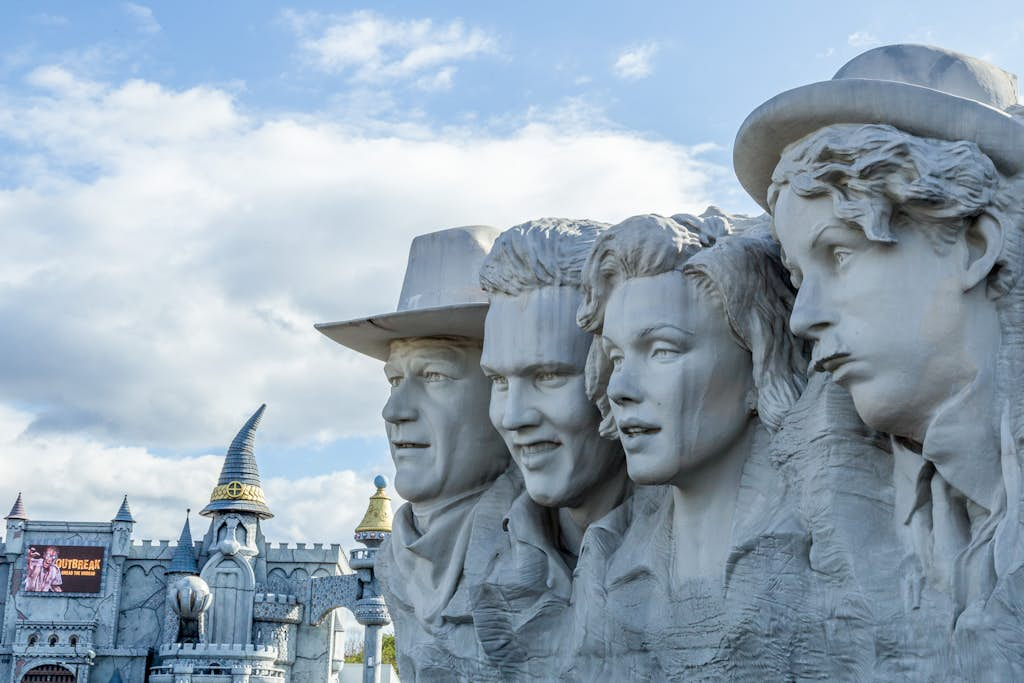
Top Attractions
Explore family theme parks, scenic chairlifts, mountain coasters, and live entertainment show venues.
Explore Attractions →
Local Dining & Restaurants
From pancake houses to authentic southern barbecue, discover the best places to eat during your stay.
Find Restaurants →
Shopping & Outlets
Shop local boutique stores, outlet malls, and the famous Great Smoky Arts & Crafts Community loop.
Shop the Smokies →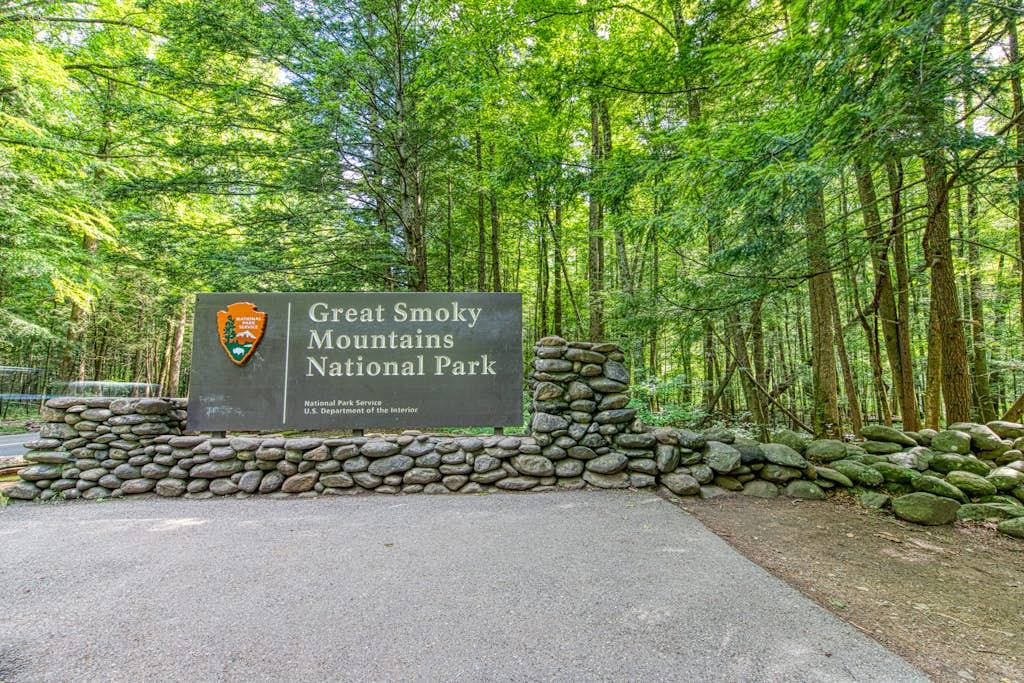
National Park Guide
Access hiking trail guides, driving loop maps, Cades Cove schedules, and wildlife safety information.
Explore National Park →
Mountain Weddings
Plan your mountain ceremony with venue recommendations, marriage license guides, and honeymoon packages.
Plan Your Wedding →
Cabins & Lodging
Browse top-rated cabin rentals, luxury chalets, and hotels across Gatlinburg, Pigeon Forge, and Sevierville.
View Lodging Guide →Find Your Smoky Mountain Cabin
Luxury Vacation Rentals in Gatlinburg, Pigeon Forge & Sevierville
Book your stay with Casago Smoky Mountains to enjoy spacious mountain cabins equipped with hot tubs, game rooms, breathtaking deck views, and fully stocked kitchens.
- Direct access to top Gatlinburg & Pigeon Forge attractions
- Properties tailored for romantic couples, families & large groups
- Unmatched guest service and seamless online booking

Explore Popular Destinations
Find the perfect basecamp for your Smoky Mountain vacation.
Gatlinburg, TN
A vibrant mountain town located right at the entrance of the National Park, featuring walkable downtown strip attractions and handcrafted mountain art.
Gatlinburg Guide →Pigeon Forge, TN
Home to Dollywood, action-packed dinner theaters, massive outlet shopping centers, and family fun parks.
Pigeon Forge Guide →Sevierville & Townsend
Discover peaceful mountain scenery, river tubing, historic caverns, and easy highway access away from busy tourist strips.
Explore Local Towns →How to Use This Smoky Mountain Travel Guide
This Smoky Mountain travel guide is organized the way most trips are planned: first where to stay, then what to see, and finally where to eat and shop. Each section links to a deeper Rod's Guide page with town-by-town details, so you can start broad and narrow down as your plans take shape.
If this is your first visit, start with the national park guide, since the park is the reason most travelers come to East Tennessee. Then choose a home base in one of the gateway towns, and fill in your days with attractions, meals, and a little shopping.
When to Visit the Smoky Mountains
Spring (March to May)
Spring brings wildflowers to the lower elevations first, then moves up the mountains through April and May. Temperatures can swing from cool mornings to warm afternoons, so pack layers. Weekdays outside of school spring breaks are usually quieter on park roads and in town.
Summer (June to August)
Summer is the busiest season. Expect warm, humid days in the valleys, cooler air at higher elevations, and afternoon thunderstorms. Start hikes and scenic drives early, carry water, and plan indoor attractions for the hottest part of the day.
Fall (September to November)
Fall color usually starts at the highest elevations in early October and works its way down to the valleys by late October and early November. October weekends are among the busiest of the year, so book lodging early and give yourself extra time on the roads.
Winter (December to February)
Winter is the quietest season for crowds. The towns are decorated for the holidays, and some days are mild enough for low-elevation hikes. Snow and ice can close high-elevation roads such as Newfound Gap Road, and Kuwohi Road (formerly Clingmans Dome Road) typically closes to vehicles for the winter, so check conditions before you drive.
Getting to the Smokies
Most visitors arrive by car. From Interstate 40, Exit 407 leads south on Winfield Dunn Parkway (TN-66) to Sevierville, where the road continues as the Parkway (US-441) through Pigeon Forge and into Gatlinburg. Townsend is reached from the west through Maryville on US-321.
The closest commercial airport is McGhee Tyson Airport (TYS) in Alcoa, near Knoxville. Rental cars are the simplest way to get around after you land, because attractions, trailheads, and cabins are spread across several towns and mountain roads.
Getting Around the Gateway Towns
The Parkway connects Sevierville, Pigeon Forge, and Gatlinburg, and it can be slow on weekends, holidays, and summer evenings. Locals often use back roads in Pigeon Forge, such as Veterans Boulevard and Teaster Lane, to avoid the busiest stretches.
Gatlinburg and Pigeon Forge both run trolley systems that stop near shopping areas, attractions, and many lodging areas. Parking once and riding the trolley can save time downtown. Check the current routes and seasonal schedules before you go.
Many cabins sit on steep, winding mountain roads. Drive slowly, use lower gears on long descents, and allow extra time after dark or in wet weather.
Great Smoky Mountains National Park Basics
Great Smoky Mountains National Park straddles the Tennessee and North Carolina border. There is no entrance fee, but a parking tag is required for any vehicle parked in the park for more than 15 minutes. Tags are sold as daily, weekly, or annual passes.
Sugarlands Visitor Center, just outside Gatlinburg, is a good first stop for maps, trail advice, and current alerts. Cades Cove, reached from Townsend, has an 11-mile, one-way loop road that is closed to vehicles on Wednesdays, typically from May through September, so walkers and cyclists can enjoy it.
The park is home to an estimated 1,900 black bears. It is illegal to willfully approach within 50 yards (150 feet) of a bear. Store food properly, never feed wildlife, and enjoy animals from a safe distance. For official alerts, road status, and parking tag details, visit the National Park Service website for Great Smoky Mountains National Park.
A Simple Three-Day Smoky Mountain Itinerary
Day 1: Gatlinburg and Sugarlands
Start at Sugarlands Visitor Center, then walk part of the Gatlinburg Trail, a flat path along the river that also allows leashed dogs. In the afternoon, explore downtown Gatlinburg on foot and finish with dinner in town. Our Gatlinburg guide covers the details.
Day 2: Cades Cove and Townsend
Arrive at Cades Cove early, when wildlife is most active and traffic is lighter. Drive the loop slowly, stop at the historic churches and cabins, and bring a picnic. Spend the afternoon in Townsend, where the pace is slower and the Little River runs through town.
Day 3: Pigeon Forge and Sevierville
Spend your last day on the Parkway. Visit a theme park, a museum, or a live show in Pigeon Forge, then shop the outlets in Sevierville on your way out of town.
Choosing a Home Base
Gatlinburg
Gatlinburg is the best fit if you want to be close to the park. Downtown is walkable, with shops, restaurants, and attractions along the Parkway and side streets. Many cabins sit on the ridges above town, so expect mountain driving to reach them.
Pigeon Forge
Pigeon Forge is the center of family entertainment, with theme parks, dinner shows, go-karts, and museums along the Parkway. It is a good choice for groups that plan to spend most days on attractions and want quick access to restaurants.
Sevierville
Sevierville is the first town you reach from Interstate 40. It has outlet shopping, caverns, local history, and a wide choice of restaurants, and it is often a little quieter than the towns farther south.
Townsend
Townsend is known as the Peaceful Side of the Smokies. It is the closest town to Cades Cove, with river tubing, caverns, and a relaxed pace. Our local towns guide covers Sevierville and Townsend in more detail.
What to Pack for the Smokies
Mountain weather changes quickly, and temperatures at the highest overlooks can be much cooler than in town. Bring layers, a rain jacket, and sturdy shoes with good grip for wet trails and rocky paths.
A refillable water bottle, snacks, sunscreen, and a small first-aid kit are useful on every hike. There are no gas stations inside the park, so fill your tank before a long scenic drive. Cell service is limited in many areas, so download maps before you leave town.
If you are staying in a cabin, plan a grocery stop on the way in. Cabins on higher ridges can be a long drive from the nearest store, and having breakfast and snacks on hand makes early starts easier.
Planning Tips by Trip Style
Families
Mix one big attraction day with lighter days in the park. Short, easy trails, picnic areas, and visitor center exhibits work well for younger children. Plan meals around the busiest dinner hours, or eat early to avoid long waits.
Couples
Sunrise and sunset drives, quiet trails, and a dinner reservation in town make for an easy, relaxed itinerary. Many couples also plan a scenic overlook stop on the way back to their cabin.
Large Groups
Groups do best with a shared plan for each day and a central place to meet. Book restaurants and attractions in advance when you can, and choose lodging with enough parking for every car. See our attractions guide for ideas everyone can enjoy.
Smoky Mountain Vacation Tips on a Budget
A Smoky Mountain vacation does not have to be expensive, and this Smoky Mountain travel guide can help you plan one on any budget. The national park has no entrance fee, so hiking, scenic drives, waterfalls, and picnics cost little beyond a parking tag. Many of the best views in the Smokies come from free overlooks along Newfound Gap Road and the Foothills Parkway.
Traveling midweek or outside of summer and October often means lower lodging rates and shorter lines. Cooking some meals in your cabin, packing lunches for the trail, and choosing one or two paid attractions instead of many can also stretch your budget.
Free and low-cost options in town include window shopping on the Parkway, walking the Gatlinburg Trail, visiting Patriot Park in Pigeon Forge, and browsing the studios of the Great Smoky Arts & Crafts Community. Use this Smoky Mountain travel guide to mix free days in the park with the attractions your group wants most.
Staying Safe in the Mountains
Every Smoky Mountain vacation should include a little safety planning. Stay on marked trails, turn around if weather changes, and never climb on waterfalls or wet rocks, which are slippery even when they look dry. Keep a safe distance from bears and elk, and drive slowly on mountain roads, where wildlife and walkers can appear around tight curves.
Before you head out each day, check the weather and park alerts, and let someone know your plans if you are hiking. This Smoky Mountain travel guide links to the official park website for current conditions.
Smoky Mountain Travel Guide FAQ
Which town is closest to the national park?
Gatlinburg sits right at the park's main Tennessee entrance near Sugarlands Visitor Center. Townsend is the closest town to Cades Cove. Pigeon Forge and Sevierville are a short drive farther north along the Parkway.
How many days should I plan?
Three to five days lets most travelers see the park highlights, spend a day on attractions, and still have time to relax. Families who want both the national park and a theme park often plan a full week.
Do I need to pay to enter the park?
No. There is no entrance fee, but you need a parking tag to park in the park for more than 15 minutes.
When are the crowds lightest?
Weekdays in late winter and early spring, plus the weeks between the end of summer and the start of October, are usually calmer. Holiday weekends, summer, and October are the busiest times.
Where can I find a cabin?
Our lodging guide compares the main areas and links to cabin rentals with our featured lodging partner, Casago Smoky Mountains.